

A stock-take that adds up — counting the shop in one evening
How to plan and run a stock-take in a small UAE shop in one evening, with zones, two-person teams, recounts and variance valued at cost, so the numbers can be trusted.
How a UAE grocery or café keeps expired products off the shelf with first-expiry-first-out, a receiving routine, a daily check and early markdowns, with worked numbers.
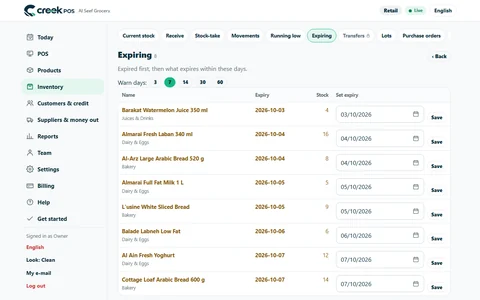
An expired yoghurt on the shelf costs more than the yoghurt. It costs a customer's trust, and in the UAE it can draw the attention of the municipality's food inspectors. Yet most expired stock is not bad luck: it is a newer delivery placed in front of an older one, or a slow item nobody looked at for a month.
This article sets out a simple method, FEFO, and the routines that make it work in a small grocery, minimarket or café store room.
Most shops are taught FIFO, first in, first out: sell the oldest delivery first. It works until two deliveries arrive with dates in the wrong order. A distributor may deliver milk on Monday that expires on the 14th, and on Wednesday a batch from another warehouse that expires on the 12th.
FEFO, first expired, first out, follows the date on the pack rather than the date of delivery. For anything with a short life, such as dairy, bread, chilled meat, juices and ready meals, FEFO is the rule that actually keeps the shelf clean.
Small numbers add up. Here is a minimarket, as an example, not a statistic:
| Item | Figure |
|---|---|
| Items thrown away per week | 25 |
| Average cost per item | AED 5 |
| Cost per week | AED 125 |
| Cost per year (52 weeks) | AED 6,500 |
| Margin on a typical basket | about 20% |
| Extra sales needed to earn back AED 6,500 | about AED 32,500 |
That last line is the one to remember. Every dirham of waste has to be earned back by roughly five dirhams of extra sales.
Most expiry problems are created at the back door. A five-minute routine at each delivery prevents them:
Once a day, ideally at opening when it is quiet, one person spends ten minutes on the risk list:
Dairy and bakery need a daily look. Canned food, rice and cleaning products can be checked monthly. Split the shop into zones so the check does not depend on one person's memory.
A product that will expire in three days is still worth something today. Many shops keep a near-expiry shelf with a clear discount, such as 30% off, so the stock sells instead of going in the bin. Keep it simple and consistent:
Follow your emirate's food authority rules on labelling, storage and disposal, and ask them if you are unsure.
Waste is often an ordering problem. If you throw away four packs of a cheese every fortnight, you are ordering too many. Look at what sold in the last four weeks before reordering, and for short-life items order smaller and more often. Use the waste record each month: the five items you throw away most are your first five ordering decisions.
A spreadsheet of expiry dates works for a week and then goes stale. A till that knows the dates does the watching for you. In CreekPOS, deliveries are received into lots with their expiry dates; at the counter the first-expiring lot sells first, and expired lots are skipped while fresh stock remains. An expiring-soon list looks 3 to 60 days ahead, a daily alert lists what is close, and the cashier sees a warning in the cart when an item is close to its date. See the inventory features, and pair this with a regular stock-take so the quantities behind the dates stay true.
Is FEFO only for big supermarkets? No. It is a habit more than a system, and it matters most in small shops with short-life chilled stock.
How often should I check expiry dates? Daily for dairy, bakery and chilled; weekly for snacks and drinks; monthly for dry and canned goods.
Can I sell near-expiry products at a discount? Generally yes, as long as they are within date and properly stored. Check your emirate's food authority rules for your case.
What should I do with expired stock? Remove it at once, record it as waste and dispose of it as your food authority requires.
Want to see an expiring-soon list on real stock? Open the demo grocery or start a 14-day trial and receive your next delivery with dates.
This article is general information as of its date, not legal or tax advice. Rules change; check the official source or ask your accountant before acting.

How to plan and run a stock-take in a small UAE shop in one evening, with zones, two-person teams, recounts and variance valued at cost, so the numbers can be trusted.
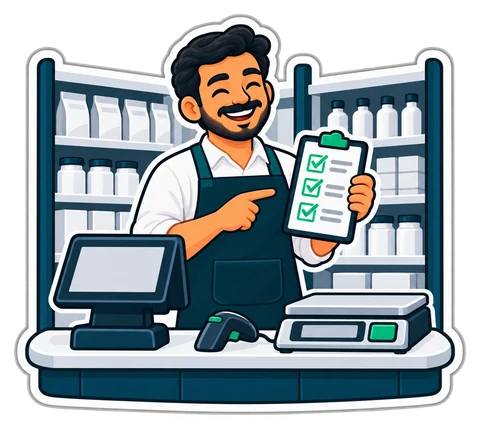
What a baqala or minimarket needs from a point of sale, from scanning speed and scale labels to monthly accounts, expiry dates and VAT, plus questions to ask first.
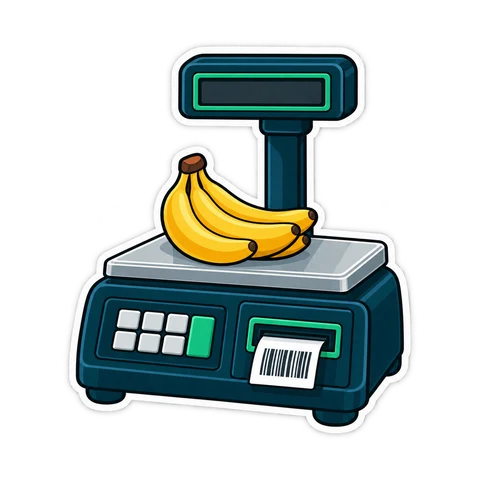
How barcodes work in a UAE shop: EAN-13 numbers from GS1, in-store codes starting with 2, scale labels that carry a weight or a price, and the mistakes that slow a till.
CreekPOS Online free for 14 days, or the program on your PC for 7 days. Every feature, no card.
Search by feature, screen or task. Open a guide and share its link with your team.